


Exploring Oncology Therapy
What You Need to Know
March Newsletter
Beating cancer is no easy feat. But even so, many don’t realize how imperative it is to undergo comprehensive rehabilitative care both during and after cancer treatment.
Most people don’t associate physical therapy with cancer treatment. If they do, they generally think of lymphedema management. In reality, people with all types of cancer diagnoses – and at every stage of treatment – can benefit from the specialized oncology therapy programs we offer at Harter Physical Therapy.
But what exactly is oncology therapy? What’s involved in our programs? We’ve prepared this comprehensive guide to answer your questions and let you know what to expect.
A Full-Body Approach to Cancer Rehabilitation
Cancer treatments can affect multiple systems in the body, leading to pain, weakness, fatigue, and mobility issues – even years after active treatment. Our oncology therapy services blend physical and occupational therapy treatments to help you manage these effects. Plus, our comprehensive approach allows us to address a wide range of issues that may arise from surgery, chemotherapy, radiation, or other cancer treatments, including the following:
- Pain
- Limited range of motion
- Neuropathy
- Help with activities of daily living
- Lymphedema
- Fibrosis

Some of Our Specific Oncology Therapy Services
We can help you rehabilitate after all manner of cancer-related surgeries, working with you to restore mobility, reduce scar tissue, and ease post-surgical pain. We also offer more specialized rehabilitation for the following:
Breast Surgery Rehabilitation
- After mastectomy, lumpectomy, or reconstructive surgery, therapy can improve shoulder mobility, relieve pain, and reduce swelling.
Head and Neck Cancer Rehabilitation
- Surgery in these areas can affect movement, swallowing, and speech. We’ll help improve function and reduce discomfort.
Radiation Therapy Management
- Radiation can cause stiffness, fatigue, and skin changes. We’ll work with you to maintain mobility and manage side effects.
Chemo-Induced Peripheral Neuropathy
- Some chemotherapy drugs cause nerve damage (peripheral neuropathy), leading to numbness, tingling, or pain in the hands and feet. We can help improve sensation, balance, and strength.
Chemo Toxicity Management
- Chemotherapy can also lead to toxicity, which causes muscle weakness and fatigue. Targeted exercises help restore energy and strength.
Lymphedema Prevention and Management
- Lymphedema – swelling due to lymph fluid buildup – can occur after cancer treatment (and not just breast cancer, either). We can help reduce the risk of lymphedema and manage symptoms if they arise.
Oncology-Based Exercise Programs
- Strength and endurance often decline during treatment. Our supervised exercise programs help you safely restore stamina and overall function.
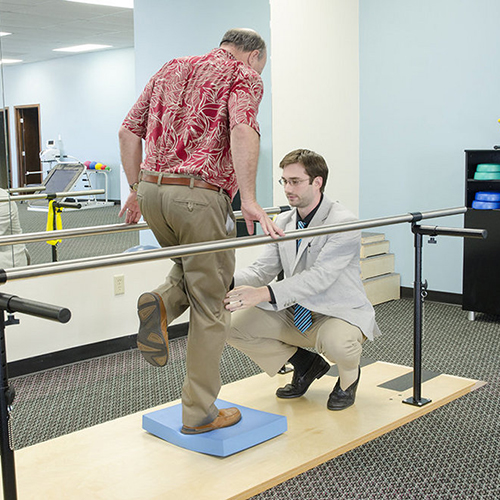
Fall Prevention
- Some treatments affect coordination and stability, increasing the risk of falls. We can guide you through exercises to improve balance and reduce fall risk.
The Benefits of Early Rehabilitation
As with more general physical or occupational therapy, early intervention helps ensure the best outcomes. You can begin working with us during your cancer treatments to help address fatigue, mobility limitations, and pain before they become severe. We can help you:
- Preserve joint mobility and muscle strength.
- Reduce swelling and discomfort.
- Improve energy levels and daily function.
- Support balance and coordination to prevent falls.
- Help regain independence in daily activities.
If your treatment has already ended, it’s important to seek treatment for any lingering side effects, including fatigue, nerve pain, or movement restrictions. Addressing these concerns as soon as you notice them is key to reducing complications.
What to Expect During Your Sessions
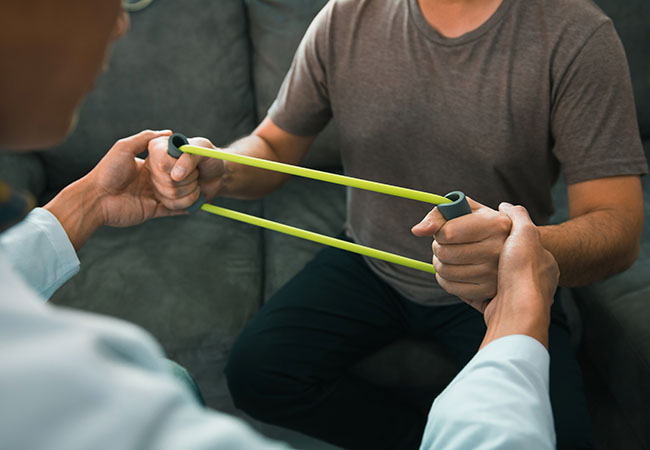
Every one of our patients has different needs, so we always customize our therapy plans to address your specific concerns. Your initial appointment will consist of a comprehensive assessment in which we review your symptoms, medical history, and any other concerns so we can develop a treatment program that fits your condition and goals.
We pull from a wide range of treatment techniques when designing our programs, including the following:
- Hands-on techniques to improve circulation, reduce stiffness, and ease pain.
- Specialized techniques to improve mobility after surgery and radiation.
- Tailored stretching and strengthening exercises movements to restore mobility and rebuild muscle strength.
- Guidance on managing fatigue and improving daily endurance, including strategies for day-to-day tasks.
- Training and information about assistive devices.
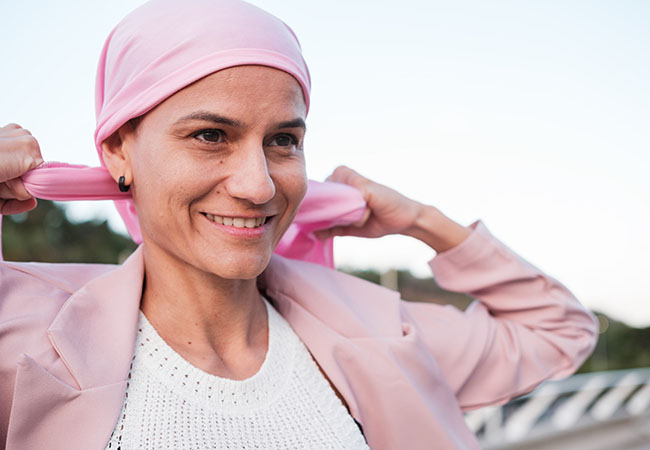
Our Team Is Here to Help
At Harter Physical Therapy, we understand the unique challenges cancer survivors face and seek to provide compassionate care to support healing and long-term wellness.
If you or a loved one is undergoing or recovering from cancer treatment, know that you don’t have to do it alone. Schedule an appointment to learn more about how our oncology therapy services can help.
Contact us today to get started!
Schedule an appointment with our Oncology Rehabilitation Specialist:
Dr. Staci Cook, DPT
Patient Success Story
“What can I even say? When you are looking for a physical therapist, you aren’t usually in a great place. Something has happened that has taken away some or all of your quality of life. You are trying to get it back. Perhaps learn a new normal. You might be feeling it’s impossible, helpless, hopeless… It won’t ever be the same. Harter Physical Therapy helps you restore that hope. They provide you with the tools to attain your goals while going along with you to ensure you have support. It’s no surprise there’s a waitlist. They’re the best in town. If you put in the work, Harter Physical Therapy can help you see it’s not impossible.”
—Kristi E.
You Had Surgery — But You’re Still Struggling with Pain!
Many people mistakenly believe that surgery is a cure-all: that once they work through their rehabilitation, they’ll be back to their old selves. While this is true sometimes, other times, people find that they’re still struggling with pain or limited mobility after a surgical procedure.
If this has been your experience, then know that physical therapy may be the tool you need to find lasting relief. Just as the team at Harter Physical Therapy can help people avoid or delay surgery, we can also ensure your surgery provides you with a successful outcome. What can we do?
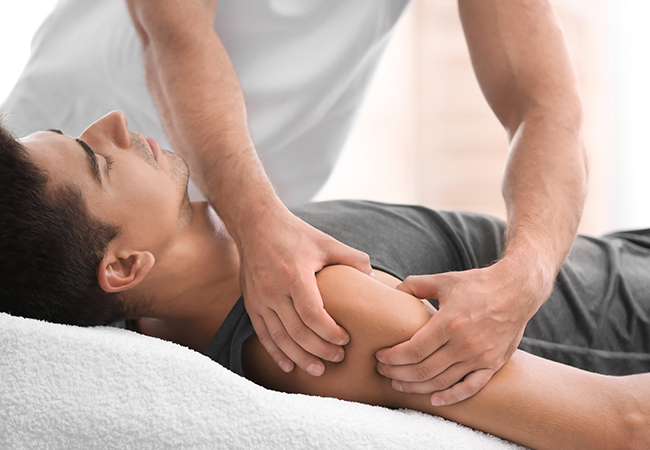
Manual therapy helps with pain and range of motion restrictions. These hands-on techniques can gradually help restore your mobility over time.
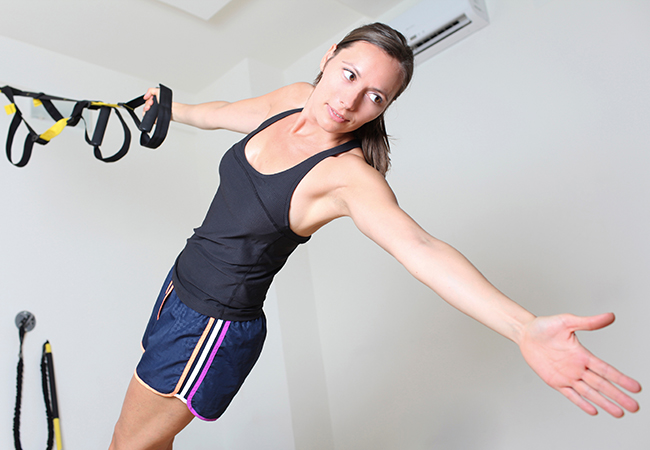
Mobility exercises take things a step further in terms of restoring your range of motion.
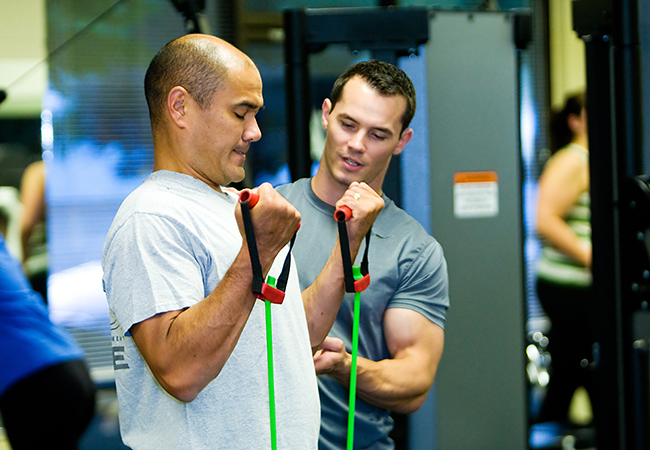
Strengthening exercises will help build muscular strength and endurance to provide support and stability to the affected joint.
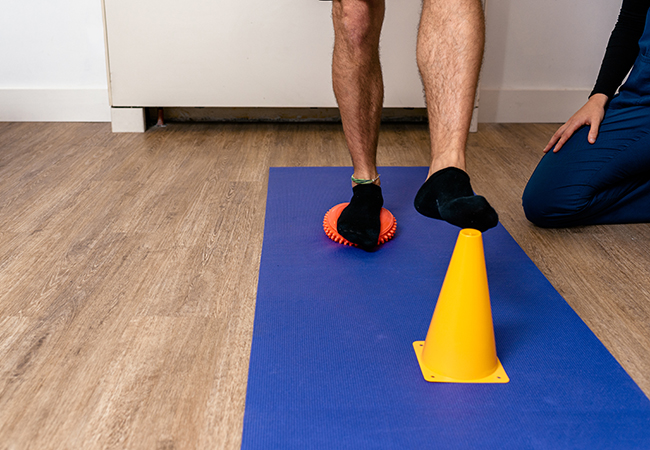
Functional training will help you relearn movements you thought you’d lost. We can also help improve gait or balance and help you perform day-to-day activities like going up or down stairs more easily.
If you’re still struggling with pain and mobility after an orthopedic surgery, call us to schedule an appointment. We’ll work together to find a plan that suits your needs and goals!

Feel Better by Eating Better!
Slow Cooker White Chicken Chili
This Crockpot White Chicken Chili offers comfort and satisfaction, courtesy of its creamy texture and healthy ingredients. The slow cooker keeps it breezy and hands-free!
Place chicken in the bottom of a 6-quart or larger slow cooker. Add the chicken broth, white beans, green chiles, garlic, onion, cumin, oregano, salt, and cayenne. Stir to combine. Cover and cook on low for 4 to 6 hours or high for 2 to 4 hours, or until the chicken is cooked through. Remove the chicken breasts to a plate. Once cool enough to handle, shred and set aside.
With an immersion blender, puree a portion of the chili to thicken it, leaving some of the beans whole. (If you don’t have an immersion blender, you can instead transfer a few ladlefuls of the chili to a food processor or blender and pulse roughly, then return back into the chili.)
Stir in the shredded chicken and cilantro. Portion into bowls and top with a squeeze of fresh lime juice. Add any other desired toppings and enjoy.
Ingredients
- 1 1/4 lbs. boneless skinless chicken breasts (2-3 breasts)
- 4 cups low-sodium chicken stock
- 2 (15-oz) cans reduced-sodium white beans such as white kidney, navy, cannellini, or Great Northern beans, rinsed and drained
- 2 (4.5-ounce) cans diced green chiles
- 3 cloves garlic minced
- 1 small yellow onion (or 1/2 large) finely diced
- 2 teaspoons ground cumin
- 1 teaspoon dried oregano
- 1/2 teaspoon kosher salt
- 1/4 teaspoon cayenne pepper
- 1/4 cup chopped fresh cilantro
- Fresh lime wedges
Exercise of the Month
Knee Extension AROM
Start by sitting up straight on the edge of a table with your legs hanging off. Slowly extend one knee all the way until your leg is straight without letting your back round. Then, allow your knee to bend back down. Repeat with your other leg. Continue alternating as directed by your physical therapist. Perform 3 sets of 10 reps.


Meet Our Team

Dr. Jana Weber
PT, DPT, OCS, CMPT
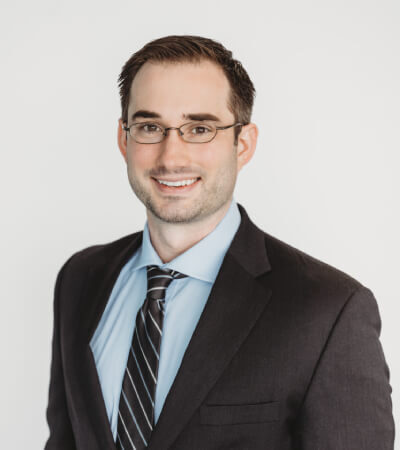
Dr. Gabe Harter
PT, DPT, OCS, COMT, FAAOMPT

Dr. Lyndsey Hubbard
PT, DPT, CHT, ATC

Dr. Katie McClellan
PT, DPT, OCS, CMPT

Dr. Micah Harder
PT, DPT, CMPT

Dr. Janet Blasi
PT, DPT, CMPT

Dr. Zach Loesch
PT, DPT, CMPT, CSCS

Dr. Andrea Murillo
PT, DPT

Dr. Amanda Harter
PT, DPT, OCS, COMT, FAAOMPT

Debra Funke
Office Manager
Let’s Get You Better ASAP!
Don’t let pain dictate your life. Take the first step towards reclaiming your mobility and well-being with our expert support. Start your journey to a healthier you today.