


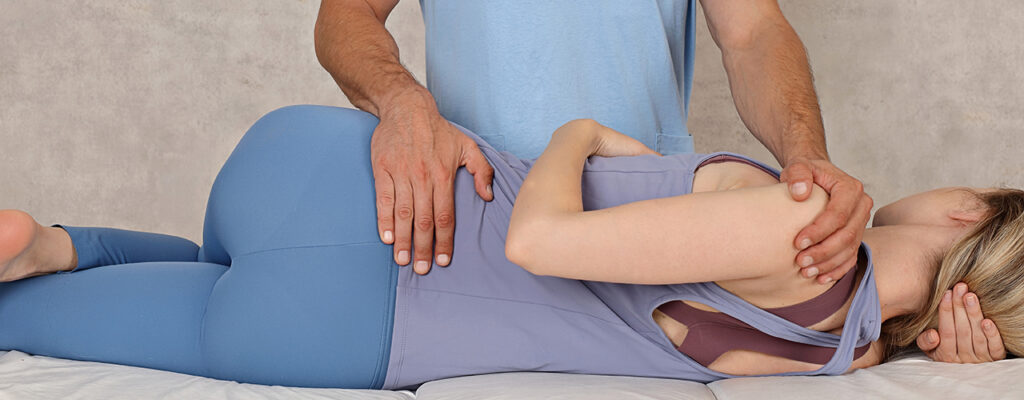
The Difference Between Back Pain and Sciatica
May Newsletter
Have you been told your persistent lower back pain is really sciatica? Did you know specific signs and symptoms can clarify what condition you’re dealing with? Far too often, these terms are used interchangeably or, worse yet, inaccurately. Fortunately, at Harter Physical Therapy, our skilled physical therapists can clear it up for you and set you on the right path to relief!
Back pain and sciatica can be confusing and even intimidating, especially when you’re not sure what’s causing your discomfort. Whether from a car accident, lifting something heavy, or seemingly out of nowhere, both back pain and sciatica seem to have similar causes and even share some symptoms.
That’s where physical therapy comes in. Physical therapy is highly effective for both conditions. It helps reduce pain, improves mobility, and, most importantly, tackles the underlying issues to prevent future discomfort. With a tailored treatment plan, you can get back to doing what you love, pain-free.
Understanding the Difference Between Back Pain and Sciatica
Back pain and sciatica are sometimes used interchangeably, but they’re not the same. Lower back pain is generally localized, affecting the lumbar region of the spine. It can arise from muscle strains, herniated discs, or prolonged poor posture.
Sciatica, on the other hand, is more specific and involves pain that travels along the sciatic nerve. This nerve starts in the lower back and runs through the hips and buttocks down to each leg. The pain you feel could be shooting, burning, or even tingling, and it usually affects just one side of your body. To be a “true” sciatica,” nerve symptoms must be felt in the leg (specifically below the knee).

Common Causes of Back Pain and Sciatica
Lower Back Pain
In most cases, lower back pain is caused by factors such as muscle strain, herniated discs, degenerative disc disease, arthritis, and other conditions.
Sciatica
Most commonly caused by a herniated disc, bone spur where the nerve exits the spine, or narrowing of the spine (spinal stenosis) compressing part of the nerve.
Classic Symptoms of Back Pain and Sciatica
Lower Back Pain
May include stiffness, muscle spasms, and difficulty in moving.
Sciatica
Must consist of symptoms along the nerve root in the leg and typically include numbness, tingling, or muscle weakness in the affected leg or foot, in addition to pain.
It’s crucial to know the difference between the two because the treatment approaches differ. For example, sciatica might require attention to nerve compression issues, while lower back pain could be more muscle-related.
So, if you’re tired of enduring persistent pain, take action and call to schedule an appointment with our spine experts. Let us help you understand your condition and guide you toward effective relief.
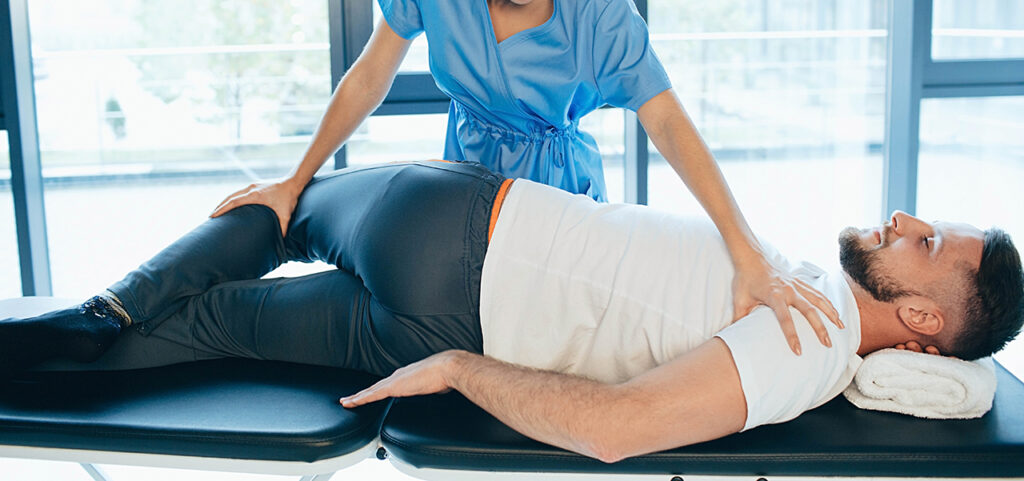
Our Approach to Assessment and Treatment at Harter Physical Therapy
If you are experiencing back pain or sciatica, it’s time to take action. Working with our experienced therapists can help you understand what you are dealing with and, most importantly, how to resolve it once and for all!
Whether you come to our clinic with lower back pain or sciatica, we will perform a thorough physical examination and medical history to provide you with solutions that work based on the findings.
Education
Understanding what is going on and, more importantly, what you can do about it is one of the most effective solutions. Our physical therapists will make sure you have the information you need to be successful.
Manual Therapy
Manual therapies include a variety of methods, including joint mobilizations and manipulations that move one or more joints within normal ranges of motion to improve spinal joint motion or function.
Our physical therapists may also use soft tissue techniques like myofascial release, trigger point releases, and other methods to help alleviate pain and allow for more mobility and improved function.
Targeted Exercises
Our exercise programs include mobility exercises, proper postural exercises, nerve mobilization, or strength exercises. Our physical therapists will tailor your workouts, monitor you, and progress based on your individual needs.
Your Well-Being is Our Top Priority
At Harter Physical Therapy, we offer a proven approach to back pain and sciatica. Don’t let pain hold you back any longer.
Call today and take the first step toward a pain-free life.
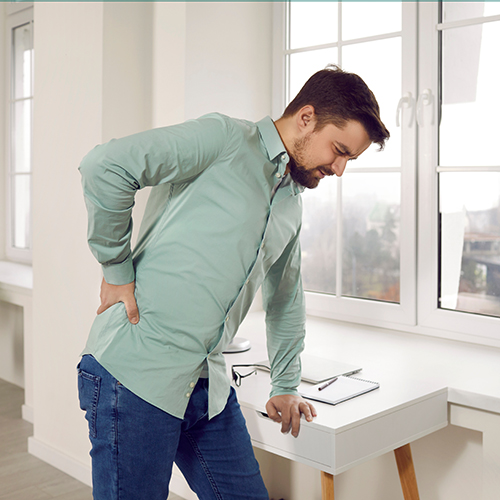
Patient Success Story
“I am beyond grateful for the incredible care I received at Harter Physical Therapy in Goddard! After injuring my meniscus, I was struggling with limited mobility, relying on a cane just to get around. But after just nine visits with Dr. Janet, I went from barely being able to walk to moving through daily life with confidence. I can now walk without hesitation, tackle stairs, and enjoy activities I thought I’d never do again. Dr. Janet provided expert guidance and a tailored treatment plan that worked wonders. Thanks to the dedication and expertise, surgery was avoided, and I am continuing to improve every day. I can’t thank Harter Physical Therapy enough for their support and professional care — truly a life-changing experience! I highly recommend people use Harter Physical Therapy for their physical therapy needs!”
—Kristi E.
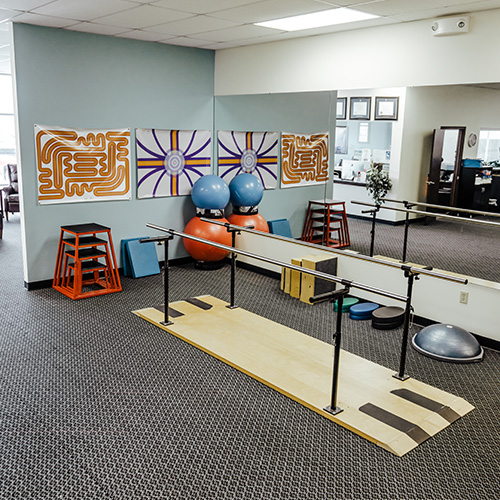

The Power of a Strong Core in Alleviating Sciatica
If you’ve ever felt shooting pain from your lower back down to your leg, you’re familiar with the discomfort of sciatica. It’s more than just a pain; it can disrupt your entire life. One effective but often overlooked approach to manage and potentially reduce this nagging issue is strengthening your core muscles. At Harter Physical Therapy, we’re experts in guiding you through core-focused exercises to find much-needed relief.
Why a Strong Core Matters
A strong core is not just about having “abs”; it includes muscles in your back, pelvis, hips, and even your buttocks. When these muscles are in tip-top shape, they help keep everything in the proper position and working correctly, minimizing the stress on the sciatic nerve and helping you feel less pain and more comfort.
Three Common Core Exercises
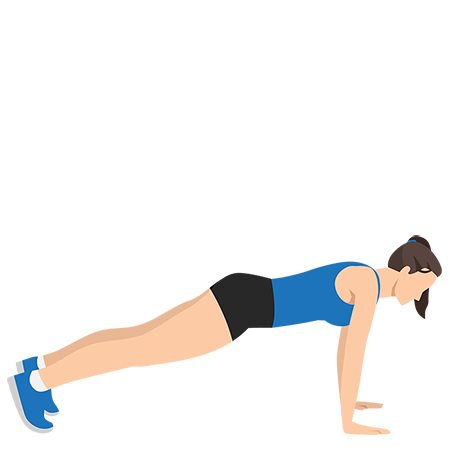
Planks
This is a fundamental core exercise that works your abdomen and the muscles in your back and shoulders. Holding a plank position for several seconds engages multiple muscle groups, enhancing spinal stability.
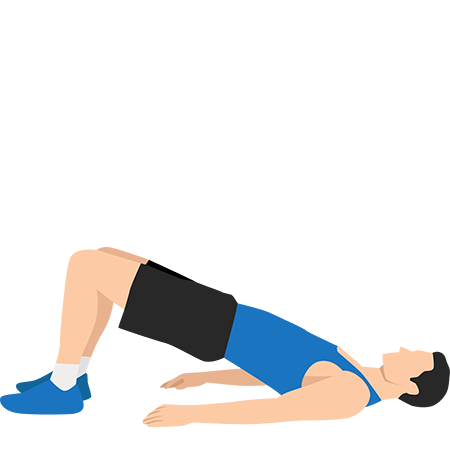
Bridge Exercise
Ideal for working your glutes, lower back, and hamstrings. By lying on your back with your feet flat on the floor and lifting your hips towards the ceiling, you strengthen the muscles that support your back.
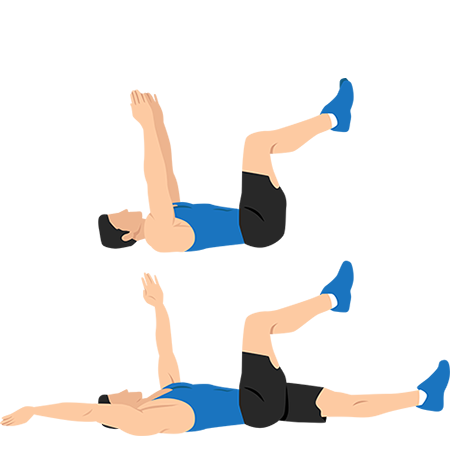
Dead Bug Exercise
This low-impact exercise engages the core without straining the lower back. Perform by lying on your back with arms extended upwards and knees bent above hips. Lower your right arm above your head while extending your left leg out, return to the starting position, and repeat.
Discover the Path to Relief at Harter Physical Therapy
With a strong core, you’re not just building muscle; you’re creating a support system for your spine. This can lead to better posture, less pain, and improved quality of life.
Schedule your appointment today and take the first step toward a more comfortable, active life.

Feel Better by Eating Better!
Sheet-Pan Chipotle-Lime Shrimp Bake
Looking for a flavorful, no-fuss dinner packed with zesty spice and wholesome ingredients? This Sheet-Pan Chipotle-Lime Shrimp Bake is the perfect weeknight meal! Roasted baby red potatoes create a hearty base, while asparagus, Broccolini, and succulent shrimp are infused with a smoky chipotle-lime butter for a deliciously bold kick.
Ingredients
- 1-1/2 pounds baby red potatoes, cut into 3/4-inch cubes
- 1 tablespoon extra virgin olive oil
- 3/4 teaspoon sea salt, divided
- 3 medium limes
- 1/4 cup unsalted butter, melted
- 1 teaspoon ground chipotle pepper
- 1/2 pound fresh asparagus, trimmed
- 1/2 pound Broccolini or broccoli, cut into small florets
- 1 pound uncooked shrimp (16-20 per pound), peeled and deveined
- 2 tablespoons minced fresh cilantro
Preheat oven to 400°. Place potatoes in a greased 15x10x1-in. baking pan; drizzle with olive oil. Sprinkle with 1/4 teaspoon sea salt; stir to combine. Bake for 30 minutes. Meanwhile, squeeze 1/3 cup juice from limes, reserving fruit. Combine the lime juice, melted butter, chipotle and remaining 1/2 teaspoon sea salt.
Remove pan from the oven; stir potatoes. Arrange asparagus, Broccolini, shrimp and reserved limes on top of potatoes. Pour lime juice mixture over vegetables and shrimp.
Bake until shrimp turn pink and vegetables are tender, about 10 minutes longer. Sprinkle with minced fresh cilantro.
www.tasteofhome.com/recipes/sheet-pan-chipotle-lime-shrimp-bake/
Exercise of the Month
Standing Lumbar Self Traction
Start in a standing position. Find a table about waist height. Place your forearms on the table so that your wrists are facing away from you. Lean forward and make sure your weight is being held by your arms. Ease your lower back and slightly bend your knees. You should feel little to no weight in your legs.


Meet Our Team

Dr. Jana Weber
PT, DPT, OCS, CMPT

Dr. Gabe Harter
PT, DPT, OCS, COMT, FAAOMPT

Dr. Lyndsey Hubbard
PT, DPT, CHT, ATC

Dr. Katie McClellan
PT, DPT, OCS, CMPT

Dr. Micah Harder
PT, DPT, CMPT

Dr. Janet Blasi
PT, DPT, CMPT

Dr. Zach Loesch
PT, DPT, CMPT, CSCS

Dr. Andrea Murillo
PT, DPT

Dr. Amanda Harter
PT, DPT, OCS, COMT, FAAOMPT

Debra Funke
Office Manager
Let’s Get You Better ASAP!
Don’t let pain dictate your life. Take the first step towards reclaiming your mobility and well-being with our expert support. Start your journey to a healthier you today.