
Regaining Mobility After the Loss of a Limb
Why Prosthetic Rehabilitation is an Essential Part of That Process
April Newsletter
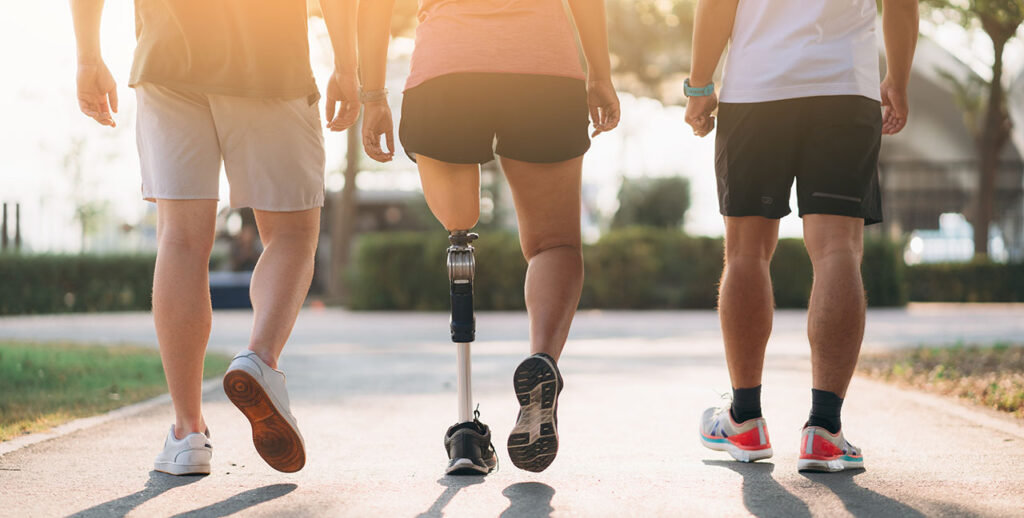
Five years on, there’s no denying the COVID-19 pandemic has significantly impacted our lives. But there’s one impact that you may not be aware of: an increase in major amputations. In fact, some areas have reported rates 10 to 15 higher than before!
Several factors contribute to this increase, particularly COVID-19’s impact on the body’s vascular system. That’s actually another fact that may surprise you – cardiovascular disease and diabetes are the primary drivers of limb loss, not trauma.
We bring all this up to help you understand that limb loss and amputations are more common than you might realize, particularly lower-body amputations. And no matter the reason for that limb loss, the experience is life-changing. Amputations don’t only impact physical abilities – they also have a profound effect on your emotional and mental well-being.
Prosthetic limbs play an essential role in mitigating these difficulties. However, adjusting to a prosthetic limb takes time, effort, and expert guidance. That’s why we offer prosthetic rehabilitation at Harter Physical Therapy.
Our team provides specialized care to help those who are new to a prosthetic limb regain mobility, reduce pain, and improve overall function. We know this process can be intimidating, which is why we wanted to share more about it. If you have any additional questions, don’t hesitate to give us a call!
The Five Stages of Prosthetic Rehabilitation
Every person’s needs are different, but prosthetic rehabilitation after an amputation surgery typically follows these five essential stages:
Stage 1: Understanding Your Needs
Recovery begins with listening. During your initial appointment, we take time to understand what you’re experiencing physically and emotionally and learn about your mobility goals. We’ll also help you and your loved ones understand what to expect throughout rehabilitation and work with you to adjust to the changes.
Stage 2: Promoting Skin Health
Proper wound care is critical for the healing process, especially for those with vascular conditions or diabetes. Our team will check the incision site at each visit, but we’ll also give you the tools and knowledge you need to monitor your issues on your own (such as keeping the site dry and clean).
Stage 3: Preventing Joint Stiffness
Without proper movement, joints near the amputation site can become stiff and difficult to straighten, a condition known as contracture. For example, below-the-knee amputees are at risk of knee flexion contractures, making it harder to fully extend the leg.
We use targeted stretching, positioning strategies, and strengthening exercises to avoid contractures and prevent long-term mobility issues.
Stage 4: Prosthetic Fitting and Early Use
Once the residual limb has healed and the swelling has decreased, you’ll be fitted for a prosthetic socket. At that point, we’ll begin helping you learn how to use your new prosthetic.
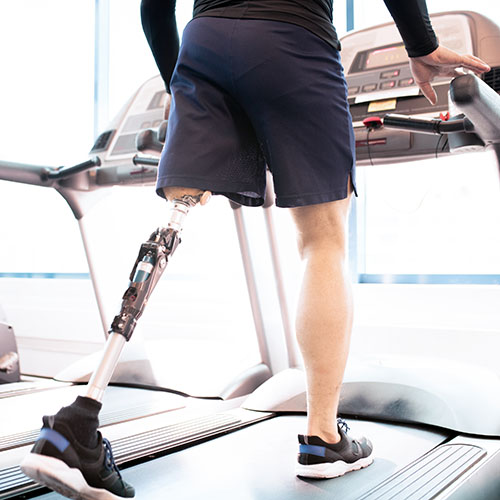
For those with a lower body prosthetic, standing with your prosthesis for the first time is a major milestone. We’ll ensure good limb alignment and weight distribution so you can get a good start. We’ll also begin gait training to ensure safe, comfortable, and efficient walking mechanics.
Finally, we’ll continue to monitor your skin health at the amputation site. We can assess the socket fit and provide adjustments as needed, which helps to prevent additional irritation that could cause complications.
Stage 5: Balance and Functional Strength Training
Using a prosthesis requires retraining the body to adjust for balance differences, especially if you have a lower-body prosthetic.
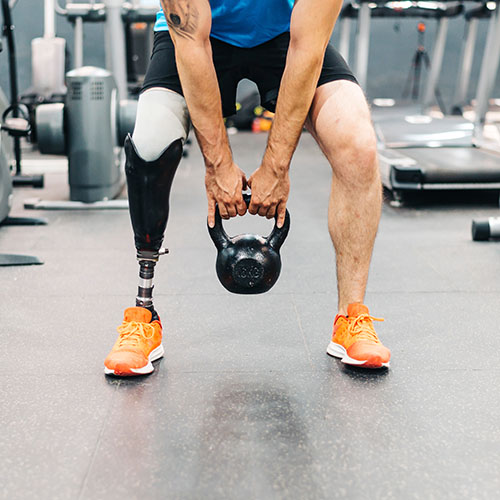
Core and limb strengthening exercises are essential in improving your stability and helping to reduce fall risk. Neuromuscular reeducation helps your brain adjust to your prosthetic limb techniques that enhance coordination and movement control.
As your strength improves, we incorporate more advanced functional movements tailored to your daily activities and long-term goals. We can also help you develop an exercise program to maintain cardiovascular fitness and a healthy lifestyle.
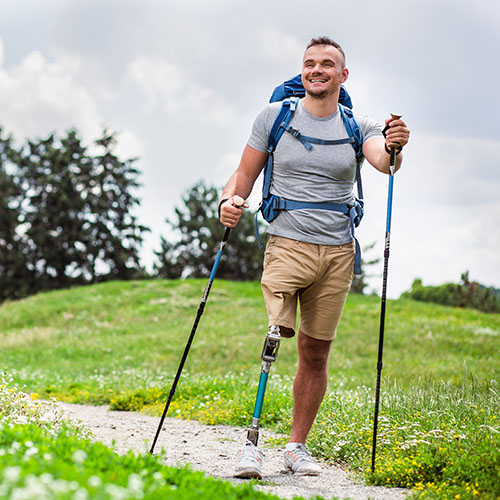
We’re Here to Help You Achieve Your Mobility Goals
Adjusting to life with a prosthesis can be challenging, but you don’t have to do it alone. The team at Harter Physical Therapy has the training and expertise to help you make the most of your new prosthesis.
If you think you or a loved one would benefit from prosthetic rehabilitation, schedule an initial consultation with us today!
Patient Success Story
“I have had physical therapy a few times on both my knee and my foot. Each time I needed therapy, I knew that Katie could help me. She knew exactly what to do to get the best results for me. I was able to trust that Katie would do everything needed to help me achieve my goals. She genuinely cares for each of her patients. I highly recommend her!! She is the best of the best!”
—LeAnn C.
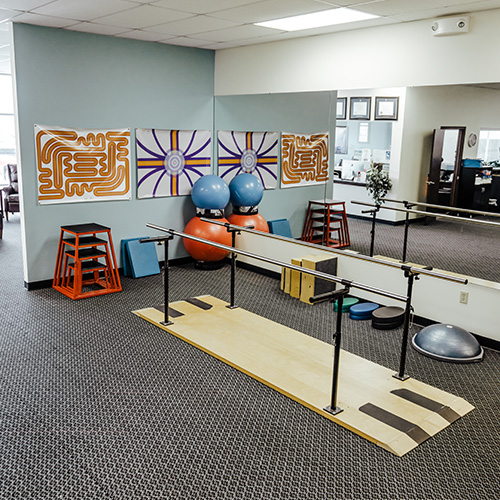
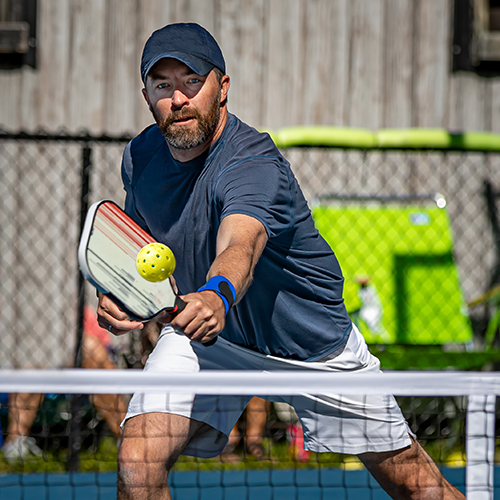

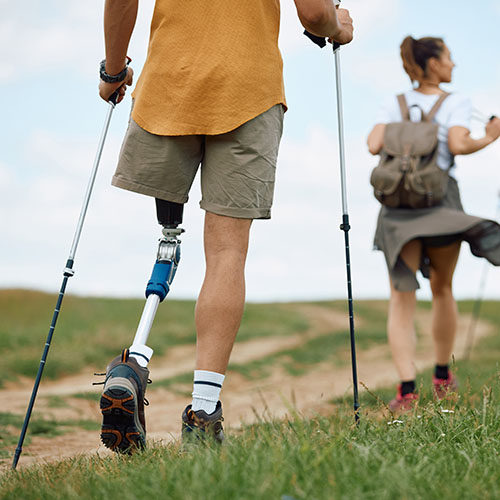
Get Outdoors and Have Some Fun
With the warmer weather and longer days, getting outdoors is perfect for enjoying recreational activities. Here are some great ways to integrate outdoor activities into your weekly regimen:
- Pickleball for Agility: This fun and social sport improves balance and coordination. It’s low-impact, making it suitable for all ages and fitness levels.
- Golf for Mobility: Golfing is a great way to enhance mobility, especially in the hips and torso. It’s also a good walk, offering cardiovascular benefits.
- Walking for Endurance: Regular walks can significantly boost cardiovascular health and lower body strength, whether in a park or around your neighborhood.
Always listen to your body and consult your Harter Physical Therapy team to tailor these activities to your needs!
April is your opportunity to get outside, enjoy the sunshine, and take a step towards better health!

Feel Better by Eating Better!
Stir-Fry Rice Bowl
Looking for a quick, healthy, and satisfying meal? This Stir-Fry Rice Bowl is packed with fresh vegetables, warm brown rice, and a perfectly poached egg for a deliciously balanced dish. This meal is both comforting and nutritious — perfect for a busy weeknight dinner!
Try it out and enjoy a wholesome, homemade meal.
In a large skillet, heat canola oil over medium-high heat. Add carrots, zucchini and mushrooms; cook and stir for 3-5 minutes or until carrots are crisp-tender. Add bean sprouts, spinach, water, soy sauce and chili sauce; cook and stir just until spinach is wilted. Remove from heat; keep warm.
Place 2-3 in. water in a large skillet with a high side. Bring to a boil; adjust heat to maintain a gentle simmer. Break cold eggs, 1 at a time, into a small bowl; holding bowl close to surface of water, slip egg into water.
Cook, uncovered, 3-5 minutes or until the egg whites are completely set and the yolks begin to thicken but are not hard. Using a slotted spoon, lift eggs out of water.
Serve rice in bowls; top with vegetables. Drizzle with sesame oil. Top each serving with a poached egg.
Ingredients
- 1 tablespoon canola oil
- 2 medium carrots, julienned
- 1 medium zucchini, julienned
- 1/2 cup sliced baby portobello mushrooms
- 1 cup bean sprouts
- 1 cup fresh baby spinach
- 1 tablespoon water
- 1 tablespoon reduced-sodium soy sauce
- 1 tablespoon chili garlic sauce
- 4 large eggs
- 3 cups hot cooked brown rice
- 1 teaspoon sesame oil
Exercise of the Month
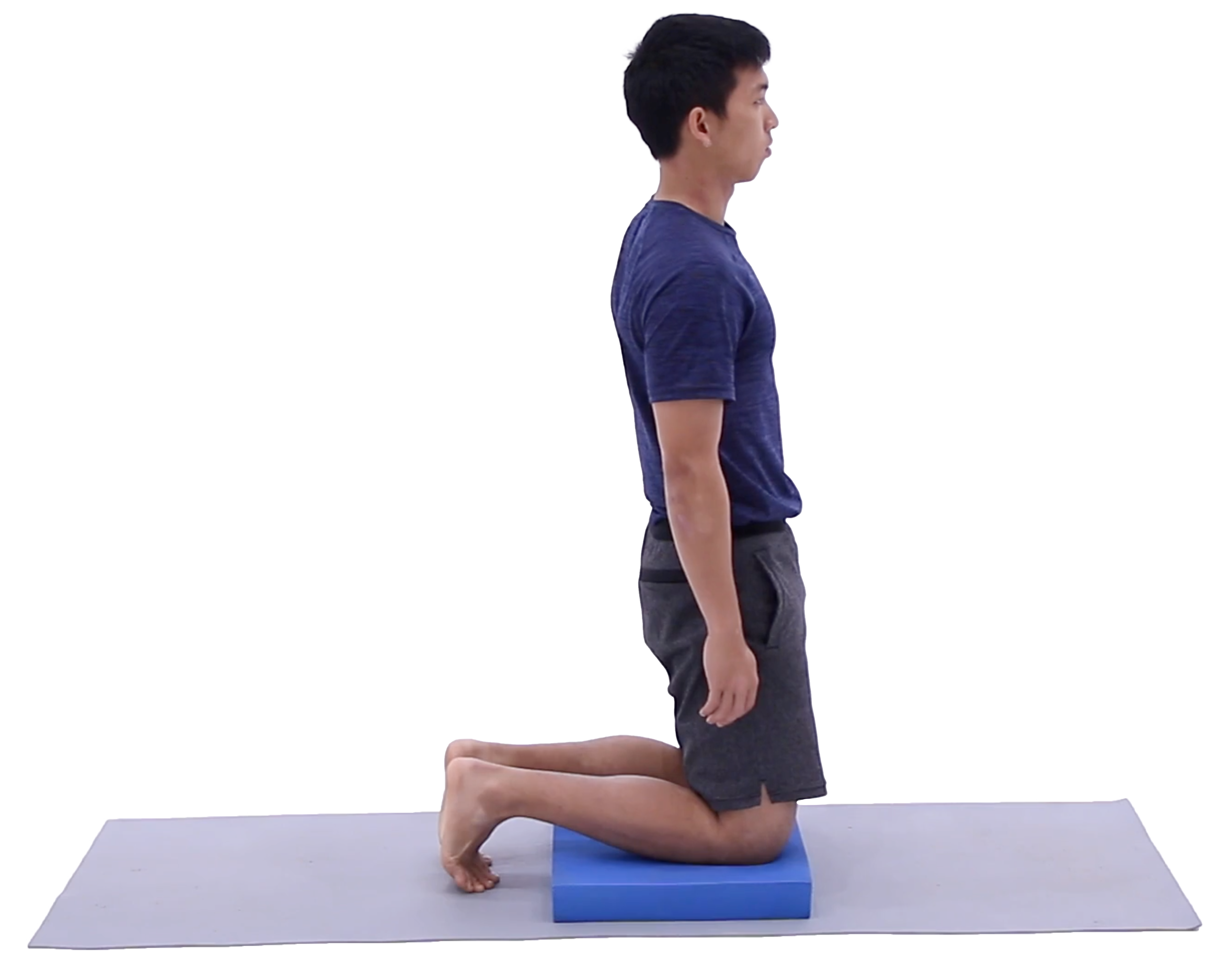
Knee Squat
Start by kneeling on a foam pad with your butt on your heels and your torso standing tall. Drive your hips forward to go into a tall kneeling position with your hips locked out; hold a few seconds then lower back to kneeling with control. 3 sets, 10 reps.


Meet Our Team
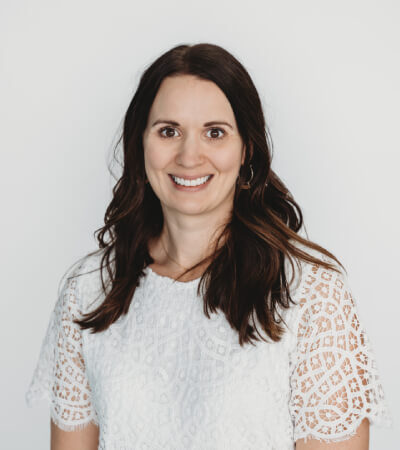
Dr. Jana Weber
PT, DPT, OCS, CMPT
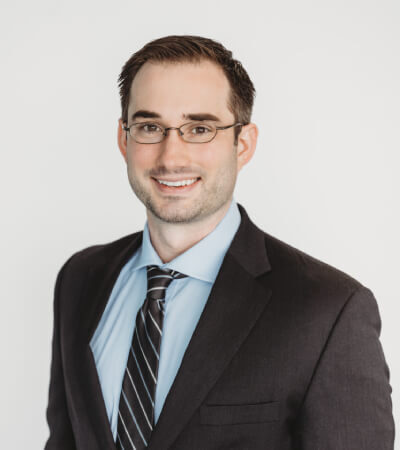
Dr. Gabe Harter
PT, DPT, OCS, COMT, FAAOMPT
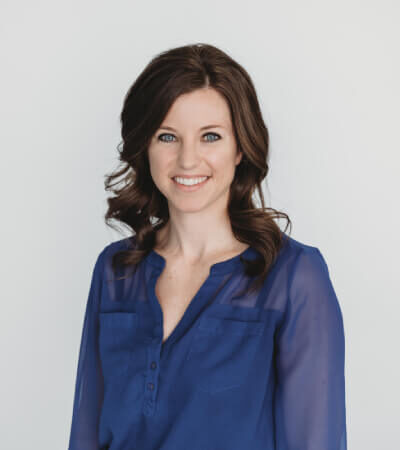
Dr. Lyndsey Hubbard
PT, DPT, CHT, ATC
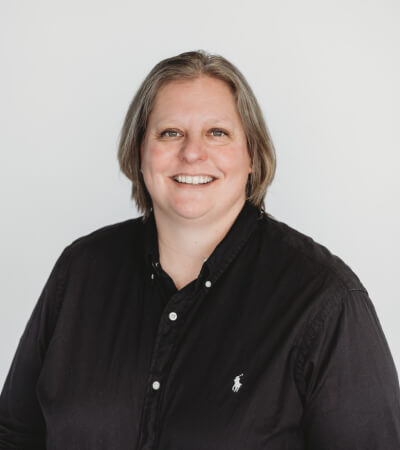
Dr. Katie McClellan
PT, DPT, OCS, CMPT
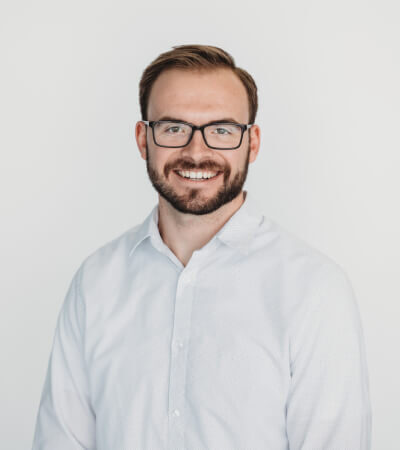
Dr. Micah Harder
PT, DPT, CMPT

Dr. Janet Blasi
PT, DPT, CMPT
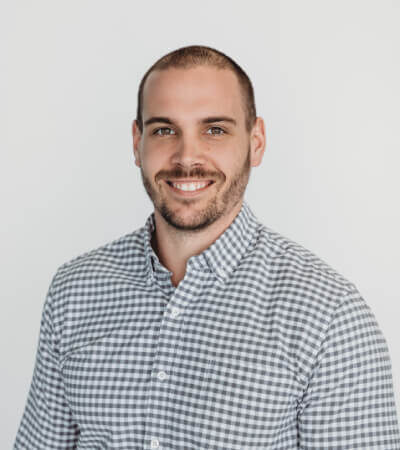
Dr. Zach Loesch
PT, DPT, CMPT, CSCS

Dr. Andrea Murillo
PT, DPT
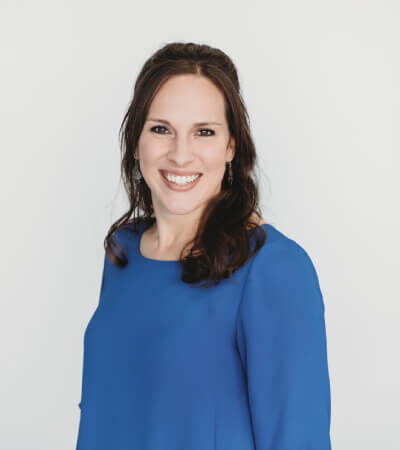
Dr. Amanda Harter
PT, DPT, OCS, COMT, FAAOMPT
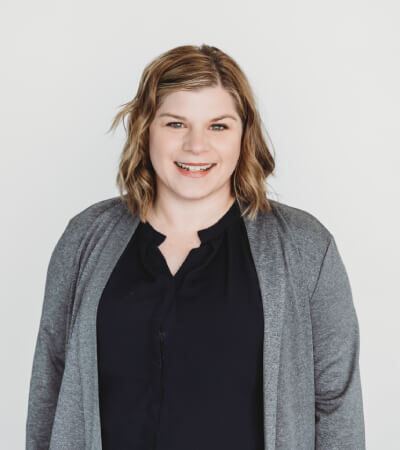
Debra Funke
Office Manager
Let’s Get You Better ASAP!
Don’t let pain dictate your life. Take the first step towards reclaiming your mobility and well-being with our expert support. Start your journey to a healthier you today.