



Get Relief for Your Sports Injury and Get Back in the Game!
Thomas was an avid high school soccer player with dreams of making it to the college level. He trained hard and played even harder, but one misstep during a match changed everything. As he lunged for the ball, he felt a sharp pain in his ankle and crumpled to the ground. The diagnosis was quick but disheartening: an ankle sprain.
Fortunately, at Harter Physical Therapy, our therapists are skilled at identifying and treating all types of sports injuries. Our therapists will conduct a whole-body assessment to ensure we identify all the factors that may impact recovery and design our programs tailored to the individual.
Give us a call today to learn more about our programs and set up an appointment with one of our physical therapists!
Exercise of the Month
Ankle Alphabets
Sit comfortably with your leg extended. Use your ankle to “write” the letters of the alphabet in the air, moving only your foot. Keep the motion smooth and controlled to improve ankle mobility and strength.
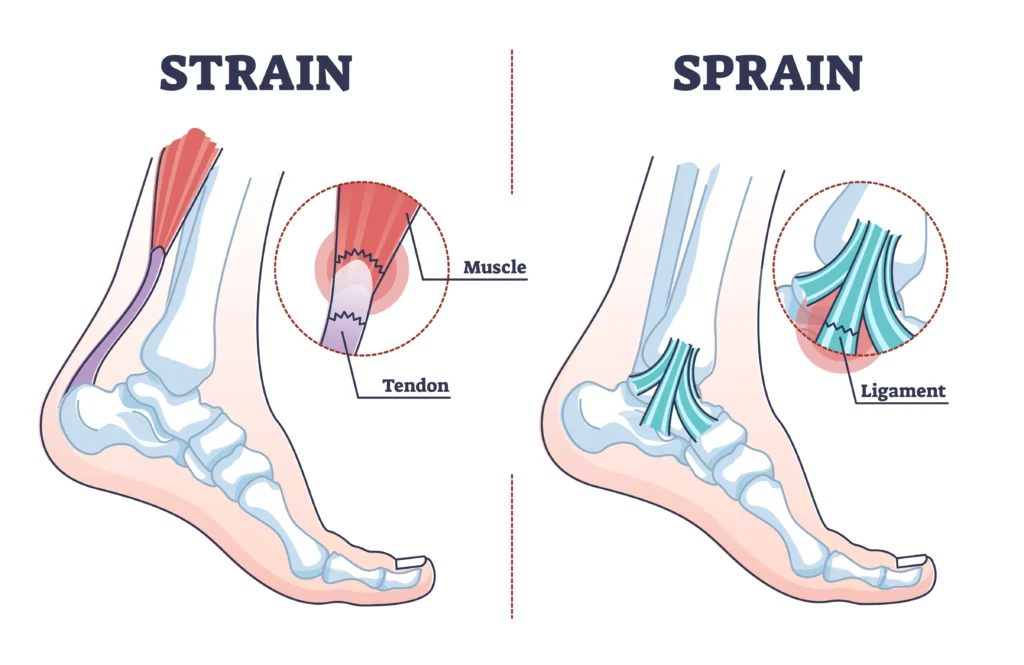
Identifying an Ankle Sprain
At first, Thomas didn’t know the severity of his injury. Like many, he thought he could just ‘walk it off.’ However, the key signs were there:
- Pain
- Swelling
- Difficulty putting weight on the foot
Ankle sprains occur when the ligaments that support the ankle stretch beyond their limits and tear. When Thomas landed awkwardly, he twisted his ankle in the process. Although ankle sprains are common in sports and often ignored, getting proper care is critical to quick recovery and reducing the risk of future injuries.
Unfortunately, too often, athletes don’t want to miss out on competing and “play through” injuries. Ankle sprains, in particular, are susceptible to recurrent sprains, especially when not properly rehabilitated.
The Road to Recovery
Thomas’s journey to recovery began with a visit to Harter Physical Therapy. He was evaluated by one of our skilled physical therapists and given guidance on how to recover quickly and get back into the game!
Initial Steps
Initially, Thomas’s therapy focused on reducing his pain, eliminating his swelling, and restoring his mobility. This involved:
- M.I.C.E (Move, Ice, Compression, Elevation): This simple method is crucial in the early stages of an ankle sprain. Thomas learned to keep moving his ankle, apply ice to reduce pain, and use compression with elevation to reduce the swelling.
Building Strength and Stability
Once the swelling reduced, Thomas’s therapy shifted gears towards rebuilding strength and stability. This phase included:
- Strengthening Exercises: Thomas worked on exercises to strengthen the muscles around his ankle. These included toe raises and resistance band exercises.
- Balance Training: To regain stability, Thomas practiced balancing exercises. This was crucial to prevent future sprains.
Regaining Functionality
The final phase of Thomas’s therapy centered on getting him back to his pre-injury level and back on the field. This involved:
- Functional Training: Thomas gradually returned to activities that mimicked soccer movements.
- Sport-Specific Drills: As he regained strength, sport-specific exercises were introduced to prepare him for returning to soccer.
Through his recovery, Thomas also learned how to perform sport-specific warm-ups, the importance of sleep, and regular conditioning to prevent injuries.
Sources: https://www.ncbi.nlm.nih.gov/pmc/articles/PMC3103112/, https://pubmed.ncbi.nlm.nih.gov/29514819/, https://www.jospt.org/doi/10.2519/jospt.2021.0503
Embrace The Recovery Blueprint and Get Back in Action!
Thomas’s story is a reminder of the importance of addressing sports injuries with the guidance from our team at Harter Physical Therapy. Take the first step in healing your ankle sprain and returning to the sport you love by calling today to schedule an appointment!
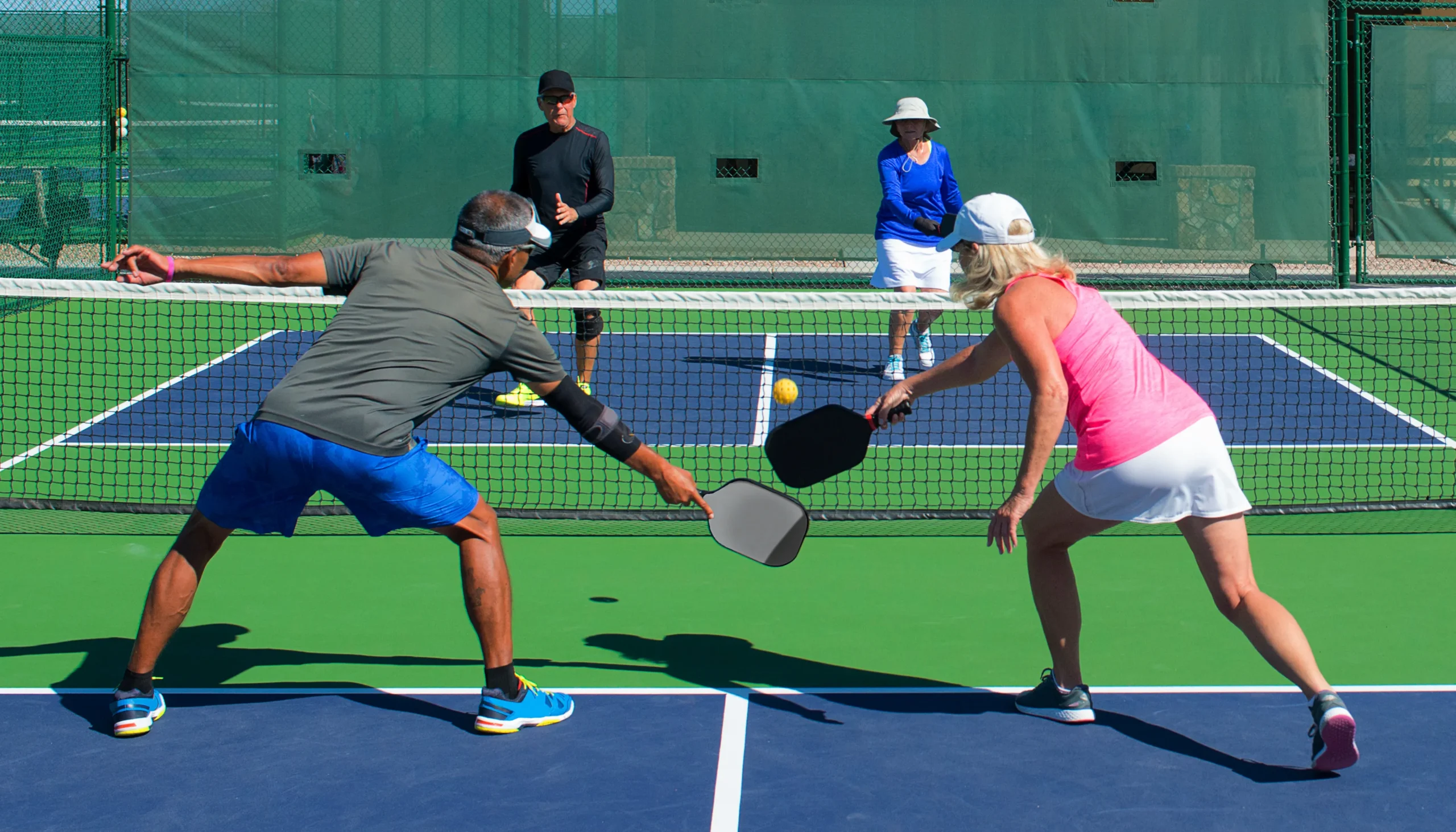
Why Harter Physical Therapy is the Key to Full Recovery After a Sports Injury
When recovering from a sports injury, time is of the essence, and seeing a physical therapist as soon as possible can be the pivotal factor that leads to a complete and successful rehabilitation. While many may consider these injuries a mere inconvenience, they can have long-lasting consequences if not treated properly from the start.
Here are some of the common problems with waiting to see one of our physical therapists after a sports injury:
- Incomplete Healing: Ligaments and tissues may never regain their full strength and stability, leaving you vulnerable to further injuries. The longer you wait to address the issue, the more challenging it becomes to recover fully.
- Poor Rehabilitation: Inadequate or improper rehabilitation is a common pitfall that leads to recurrent injuries. Without proper rehabilitation, you risk weakening the supporting structures, setting the stage for another injury.
- Return to Activity Too Soon: One of the biggest mistakes an athlete can make is rushing back into physical activities or sports before a full recovery. It’s understandable to be eager to return to the game, but a premature return can lead to re-injury. Our physical therapists will guide you on when it’s safe to resume your activities, ensuring you don’t jeopardize your progress.
Your Road to Recovery Begins Now — Take Action Today!
When it comes to sports injuries, early intervention by one of our physical therapists is not just a wise choice — it’s a game-changer. Their expertise and guidance can make all the difference between a complete recovery and a cycle of recurrent injuries.
Don’t let an injury hold you back; call Harter Physical Therapy today. Your future self will thank you!
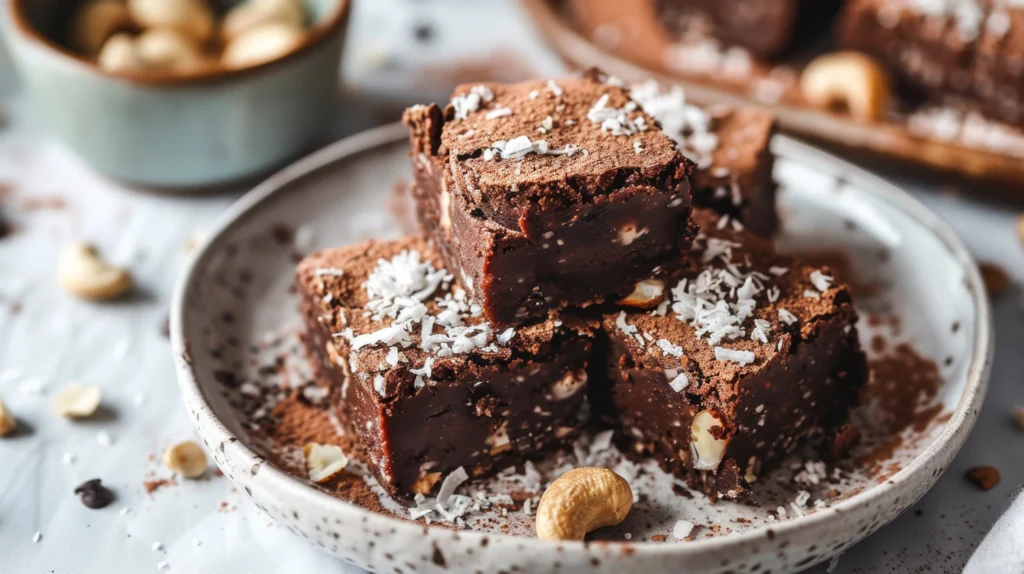
No-Bake Caramel Brownies Recipe (Gluten-Free, Vegan)
- Brownies
- 1 ½ c pitted medjool dates
- 1 c walnuts
- ½ c hazelnuts
- ⅓ c cocoa powder
- Salted Caramel
- ½ c almond butter
- ¼ c maple syrup
- 1 tablespoon almond milk
- 1 tablespoon coconut oil
- ¼ teaspoon sea salt
Brownie: Combine all ingredients in a food processor until it reaches a brownie consistency. Press down into lined loaf pan.
Salted Caramel: Stir together all ingredients until smooth and pour over top of brownie layer. Place in the freezer to firm (about 1hr.)
Once set, sprinkle with flaky sea salt, slice into 10-12 squares, and enjoy! Best stored in the freezer.