
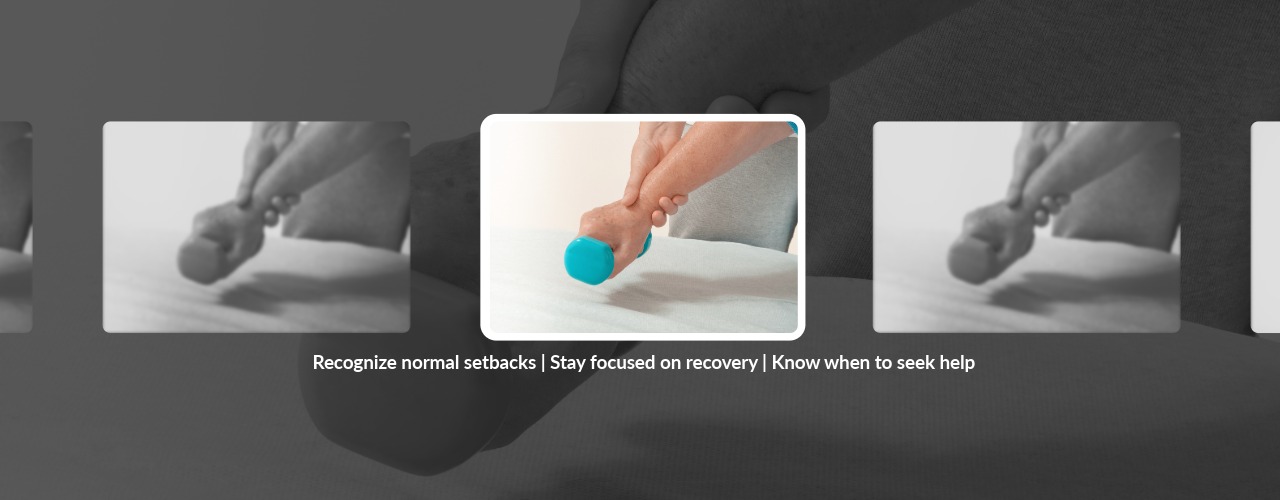
Recovering from surgery is rarely a perfectly straight path. Most people experience good days, followed by days when progress seems to slow, or symptoms temporarily return. Understanding post-op rehab setbacks and what to expect can help you stay focused, avoid unnecessary worry, and make informed decisions throughout your recovery.
While some challenges are a normal part of healing, others deserve closer attention. Knowing the difference can help you continue moving forward with help from the Harter Physical Therapy team.
Your Step-by-Step Guide to Staying on Track After Surgery
Step 1. Learn What Normal Healing Looks Like
Every patient recovers at a different pace. Even when everything is going well, you may notice temporary changes such as:
- Mild increases in soreness after becoming more active.
- Temporary swelling that comes and goes.
- Feeling stiff after resting for long periods.
- Fatigue as your body continues healing.
These ups and downs don’t always mean something is wrong. Healing tissues respond to activity, rest, and daily demands. Progress often happens gradually rather than all at once.
Step 2. Understand Common Post-Op Rehab Setbacks
Knowing post-op rehab setbacks and what to expect can make recovery feel much less stressful. After all, a setback isn’t necessarily a sign that surgery has failed. Sometimes it simply means your body needs time to adjust.
Examples of common setbacks include:
- Increased soreness after trying a new activity.
- Swelling that lasts longer than expected.
- Temporary loss of motion because of stiffness.
- Feeling less confident after a painful day.
- Difficulty returning to everyday routines.
Fortunately, many of these challenges improve with proper guidance, patience, and continued rehabilitation.
Step 3. Watch for Changes That Should Be Evaluated
There are some more serious post-surgical symptoms that you shouldn’t ignore. The earlier you can let us know about your concerns, the sooner you can get the care you need.
Contact your healthcare provider if you notice:
- Severe or rapidly increasing pain.
- Significant redness, warmth, or drainage around the incision.
- Fever along with worsening symptoms.
- Sudden inability to move the joint or bear weight when previously able.
- New numbness or weakness that does not improve.
Step 4. Avoid Letting One Difficult Day Define Your Recovery
One frustrating day can make it feel like all your progress has disappeared. In reality, recovery is usually measured over weeks and months, not individual days. Instead of focusing on temporary setbacks, ask yourself:
- Am I doing a little more than I could several weeks ago?
- Has my overall pain gradually improved?
- Is daily activity becoming easier over time?
- Am I slowly regaining confidence?
Looking at the bigger picture often provides a more accurate view of your recovery than judging a single day.
Step 5. Communicate With Your Rehabilitation Team
One of the best ways to understand post-op rehab setbacks and what to expect is by maintaining open communication with your rehabilitation providers. Your physical therapist can:
- Evaluate whether your symptoms are part of normal healing.
- Modify your treatment plan when appropriate.
- Monitor your progress over time.
- Answer questions that reduce uncertainty.
- Help you regain confidence after temporary setbacks.
Small adjustments made early can often prevent bigger problems later.
Step 6. Stay Consistent With Healthy Recovery Habits
Successful recovery depends on many factors working together. Even when progress feels slow, healthy habits continue supporting healing. Focus on:
- Attending scheduled rehabilitation appointments.
- Following the guidance provided by your healthcare team.
- Getting adequate sleep.
- Eating a balanced diet that supports tissue healing.
- Gradually returning to daily activities as recommended.
Consistency often produces better long-term results than trying to progress too quickly.
Step 7. Know When Patience Is Part of the Process
Healing takes time. Swelling, stiffness, and occasional discomfort may continue long after surgery while tissues regain strength and function.
Understanding post-op rehab setbacks and what to expect helps many people remain motivated during these slower phases. Rather than viewing setbacks as failure, think of them as opportunities to reassess, make adjustments, and continue moving forward with the support of your healthcare team.
Keep Your Recovery Moving Forward
Every recovery has challenges, but temporary setbacks don’t have to stop your progress. Learning how to recognize normal healing, identify warning signs, and respond appropriately can help you stay on track after surgery. If questions or concerns arise during your recovery, Harter Physical Therapy provides personalized care, education, and guidance to help you overcome obstacles and continue working toward your goals. Schedule an appointment today to get started.